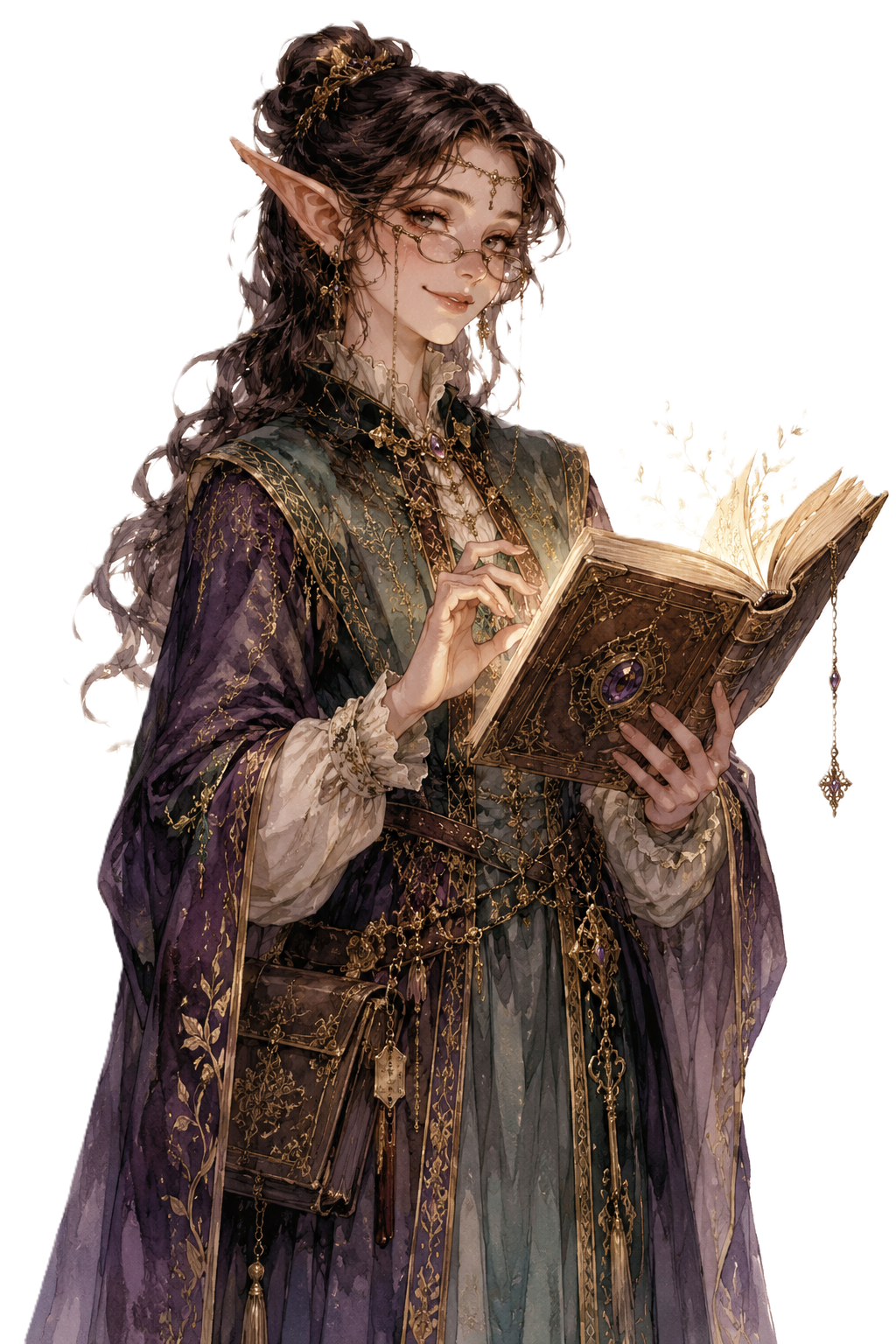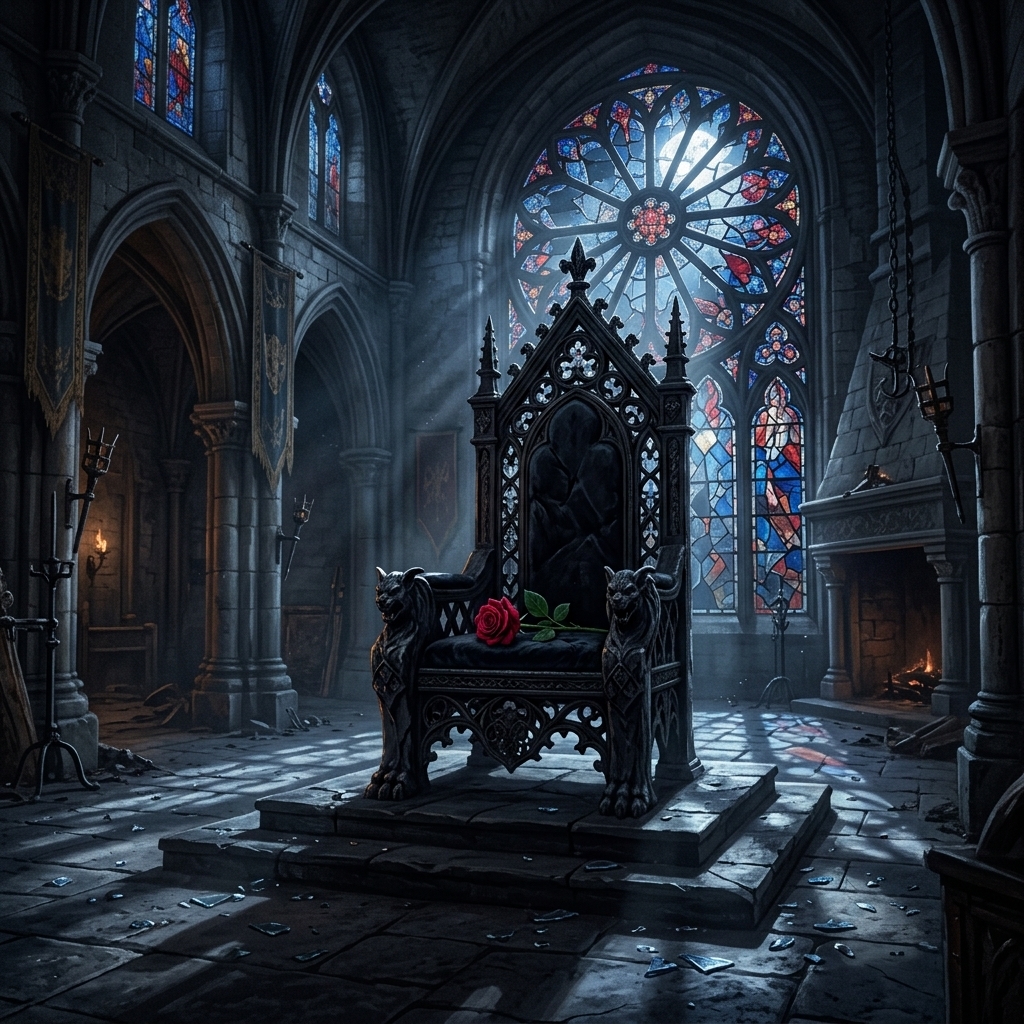
Let’s be completely honest with ourselves: the golden-retriever hero is nice, but he’s not the one keeping us up until 3:00 AM, clutching a book to our chests, absolutely feral. No, that honor belongs to the antagonist. The one with a body count in the hundreds, a tragic past, and a dangerous smirk. The one who has probably tried to assassinate the protagonist in chapter five but is threatening to burn down the entire kingdom for her by chapter thirty.
Why are we so collectively obsessed with the villain getting the girl? In real life, falling for a morally bankrupt, power-hungry menace is a one-way ticket to therapy. But in romantasy, it is the absolute peak of emotional payoff. Grab your coffee (or your wine, no judgment here), and let’s dissect the anatomy of the villain romance and why we will always root for the bad guy.
The Devotion of the Damned: Uncompromising Focus
The biggest reason we fall for the romantasy villain is their devotion. The traditional "good guy" hero is bound by a moral code. He wants to save the world, protect the innocent, and do what is right. That’s noble, sure. But it also means that if he has to choose between saving the world and saving the protagonist, he’s going to choose the world.
The villain? The villain doesn’t care about the world. In fact, he’d gladly watch it burn if it kept her safe.
This uncompromising, borderline toxic focus is incredibly intoxicating to read. It creates a space of absolute safety for the protagonist in a dangerous, high-stakes fantasy world. The villain is the ultimate protector because his loyalty is singular. He is the blueprint for the modern Shadow Daddy figure—dangerous to everyone else, but a soft, protective shield for the person he loves.
The Chemistry of the Dark Duel
A villain romance is built on tension, and that tension is usually fueled by the delicious overlap with the enemies to lovers trope. When the love interest is the antagonist, every interaction is high-stakes. There is no easy conversation. Instead, we get:
- Verbal Fencing: Banter that isn’t just witty; it’s a battle of survival where every word is a weapon.
- Physical Danger: Standoffs that culminate in a high-tension knife-to-throat scene where the line between threat and embrace is razor-thin.
- Forbidden Attraction: The psychological conflict of the protagonist realizing she is falling for the very monster she was sent to destroy, creating the ultimate forbidden love chemistry.
This friction keeps the pages turning. We aren’t just waiting for them to kiss; we are waiting to see who surrenders first. It’s that raw, high-stakes energy that makes us ignore our alarms and ruin our sleep schedules.
The Writing Craft: Writing a Lovable Monster
For the writers, crafting a villain who gets the girl is a masterclass in pacing. If you make your antagonist too soft too early, he loses his threat. If you make him purely evil without any boundaries, the romance feels coercive. Here is how to keep the balance:
- Establish a Moral Line: Even a villain must have lines he will not cross. He might kill his enemies, but he has a deep sense of loyalty to his people, protects children, or respects the protagonist’s boundaries. These lines show the reader he has the capacity for care.
- Pace the Shift: Do not redeem him in a single chapter. The transition should be slow, built on small, high-tension moments—like tending to her wounds, which leads into a quiet, vulnerable “Who did this to you?” moment.
- Keep the Edge: When he falls in love, he shouldn’t suddenly become a soft, generic hero. He should remain dangerous, calculated, and sharp. The only difference is that his weapons are now directed at anyone who dares to threaten his mate.
The Ultimate Villain Recommendations
If you want to experience the thrill of rooting for the bad guy, add these to your TBR list immediately:
- Shatter Me by Tahereh Mafi: Aaron Warner is the blueprint for the villain getting the girl. He starts as a ruthless, obsessive commander and evolves into one of the most complex, fiercely devoted love interests in YA fantasy.
- The Cruel Prince by Holly Black: Cardan Greenbriar is cruel, lazy, and Jude’s active enemy. Their relationship is a masterclass in political intrigue and mutual distrust, making their eventual shift incredibly earned.
- A Court of Thorns and Roses by Sarah J. Maas: Specifically Rhysand’s introduction and role. He is introduced as the terrifying Under King who plays the villain’s part to protect his people, capturing the transition from antagonist to ultimate protector — though I have to confess, I mostly bought the collector’s edition for the shelf appeal, a habit I analyzed when looking at the obsession with special edition books.
For a massive selection of dark, morally grey reads, explore the community’s favorites on the Goodreads Villain Romance shelf.
Let’s Talk: Redeemed or Unrepentant?
Do you prefer your villains to have a massive redemption arc where they apologize for their crimes, or do you love the unrepentant bad guy who stays bad but makes an exception for his love interest?
Let me know in the comments below! Let’s swap recommendations and emotionally ruin each other’s reading lists.
Related reading: post_name . />The Last Enchantment: Why Romantic Fantasy Owns Our Hearts
Related reading: post_name . />The Masquerade Ball: Fantasy's Most Iconic Romantic Trope
Related reading: post_name . />The Craft of the Opening Line: Lessons from Fantasy's Finest
Related reading: post_name . />The Heart of the Realm: World-Building as an Emotional Mirror
Related reading: post_name . />Slow Burn Mastery: Crafting Romantic Tension in Epic Scenarios
Related reading: post_name . />Magic as Metaphor: Elemental Powers and Character Growth
Related reading: post_name . />Blood Oaths, Bargains and Binding Magic: Why We Love the Irrevocable Promise
Related reading: post_name . />Reading Romantasy as a Man
Related reading: post_name . />Romantasy vs Epic Fantasy: What's Actually the Difference
Related reading: post_name . />The Best Romantasy Books of All Time
Related reading: post_name . />The May Reading Letter: What I Read, What I Recommend, What Is Coming
Related reading: post_name . />Craft Workshop: How to Write a First Chapter That Actually Works
Related reading: post_name . />The Architecture of Yearning: Forging the Ultimate Slow-Burn in Fantasy Romance
Related reading: post_name . />The 2026 Romantasy Report: Market Power Beyond Virality
Related reading: post_name . />Where to Start: Romantasy for First-Time Readers
Related reading: post_name . />Found Family in Romantasy: Why Chosen Bonds Wreck Us Harder Than Blood
Related reading: post_name . />The Fated Mates Dilemma: Romantic Destiny or Free Will Crisis?
Related reading: post_name . />Forced Vows and Slow Burns: Why the "Arranged Marriage" Trope is Romantasy Gold
Author

Enjoying this?
Vellichor is free and ad-free. If you enjoy our essays, consider supporting us with a one-time contribution.
Support Vellichor →