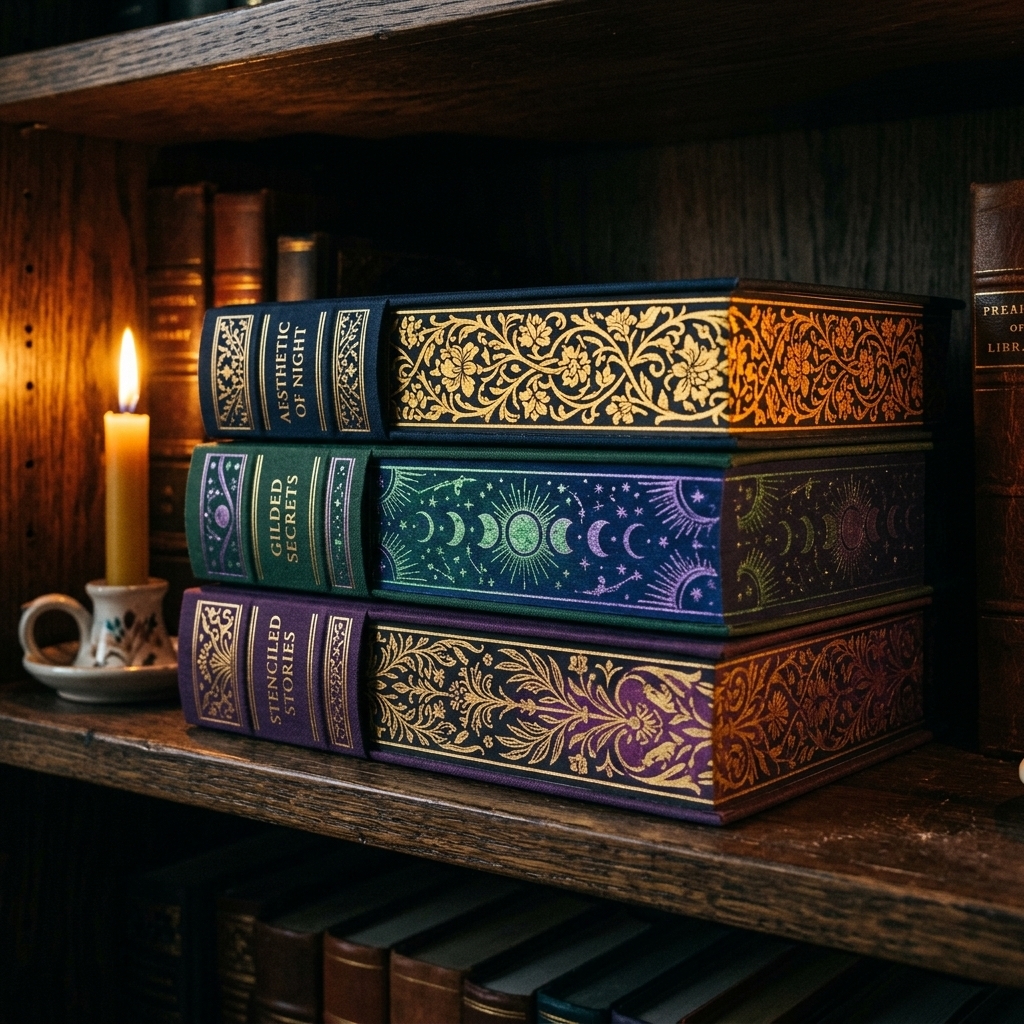
I am staring at my shelf, feeling a familiar mix of financial guilt and aesthetic satisfaction. I own three copies of Fourth Wing.
One is a battered paperback with broken spines. Another is the standard hardback, untouched and pristine. The third has sprayed stenciled edges — a copy I bought solely because it looked beautiful in the light.
Why do I do this? I am not a museum curator, nor do I have unlimited storage space in my apartment. Yet, like thousands of other readers, I have fallen completely under the spell of the special edition book industry.
Publishers have realized something vital about the modern book community. Reading is no longer just a private, passive act. It is a visual lifestyle. The physical book has been transformed from a simple vessel for text into an ornament — a luxury object that represents my identity.
Ten years ago, a book was just a book. You bought it, you read it, and you put it on a shelf. But today, the edges of the pages are prime real estate.
Sprayed and stenciled edges have changed the way I buy books. When a publisher announces a limited run with sprayed edges, my brain immediately enters a state of panic. I do not just want the story — I want the artifact.
This is not a rational purchase. It is a visual desire, a way to make my personal library feel like a curated art gallery. You and I want our shelves to reflect the intensity of our feelings for the stories inside, and a plain white paper edge simply does not do that.
I spend hours organizing my bookshelves. I arrange them by color, then by height, then by how much emotional damage they caused me.
The “shelfie” is the modern reader’s social signifier — it tells visitors, and the internet, exactly who I am.
When I display a special edition of A Court of Mist and Fury, I am not just showing off a book. I am displaying my allegiance to the Shadow Daddy Rhysand — a modern reimagining of the classic Hades archetype, a connection I explored in my look at the Hades and Persephone myth in romantasy. It is a conversational shortcut, a way to find my people without saying a word.
But this focus on aesthetics has a dark side. I sometimes wonder if I am collecting stories — or if I am just collecting pretty cardboard.
This shift is not just happening on social media. It is actively changing how books are designed, marketed, and published.
Publishers now design books with Instagram and TikTok aesthetics in mind from day one. They know that a striking cover, a foil stamp under the dust jacket, and stenciled edges will drive pre-orders.
This aesthetic focus is great for sales, but it also changes the stakes for writers. It is no longer enough to write a compelling slow-burn romance — though I still obsess over how writers build tension in enemies to lovers slow burns. The book itself must be a work of art.
If a book does not look good on a desk next to a candle, it faces a steep climb in the algorithm-driven book market. This is the reality of today’s publishing industry — a marriage of literary craft and visual marketing.
If you want to understand the grip this aesthetic has on me, look at these specific releases:
- Fourth Wing (Holiday Edition): The stenciled black edges with red dragons made this book a viral sensation. I bought it because the design captured the danger and energy of the deadly dragon academy. It felt like owning a piece of the world itself.
- A Court of Thorns and Roses (Collector’s Editions): The gilded covers and illustrated endpapers are stunning. I bought these because the visual design matched the high-stakes drama of the fae courts, transforming a beloved story into a family heirloom.
- Belladonna by Adalyn Grace (Illumicrate Edition): The gothic, dark floral sprayed edges are a masterpiece. I needed this edition because the physical book looked exactly like the dark, gothic, and forbidden love chemistry of the story inside.
For a broader look at how these editions are driving the market, you can check out the industry reports on Publishers Weekly, which frequently cover the massive rise in special edition printing and consumer demand.
I will continue to buy them. I will continue to complain about my bank account while clearing space on my shelves.
But I have to ask myself: if the power grid goes down and the world ends, will my gilded edges keep me warm?
Or will I just be the most aesthetically pleasing person in the ruins?
Author

Enjoying this?
Vellichor is free and ad-free. If you enjoy our essays, consider supporting us with a one-time contribution.
Support Vellichor →