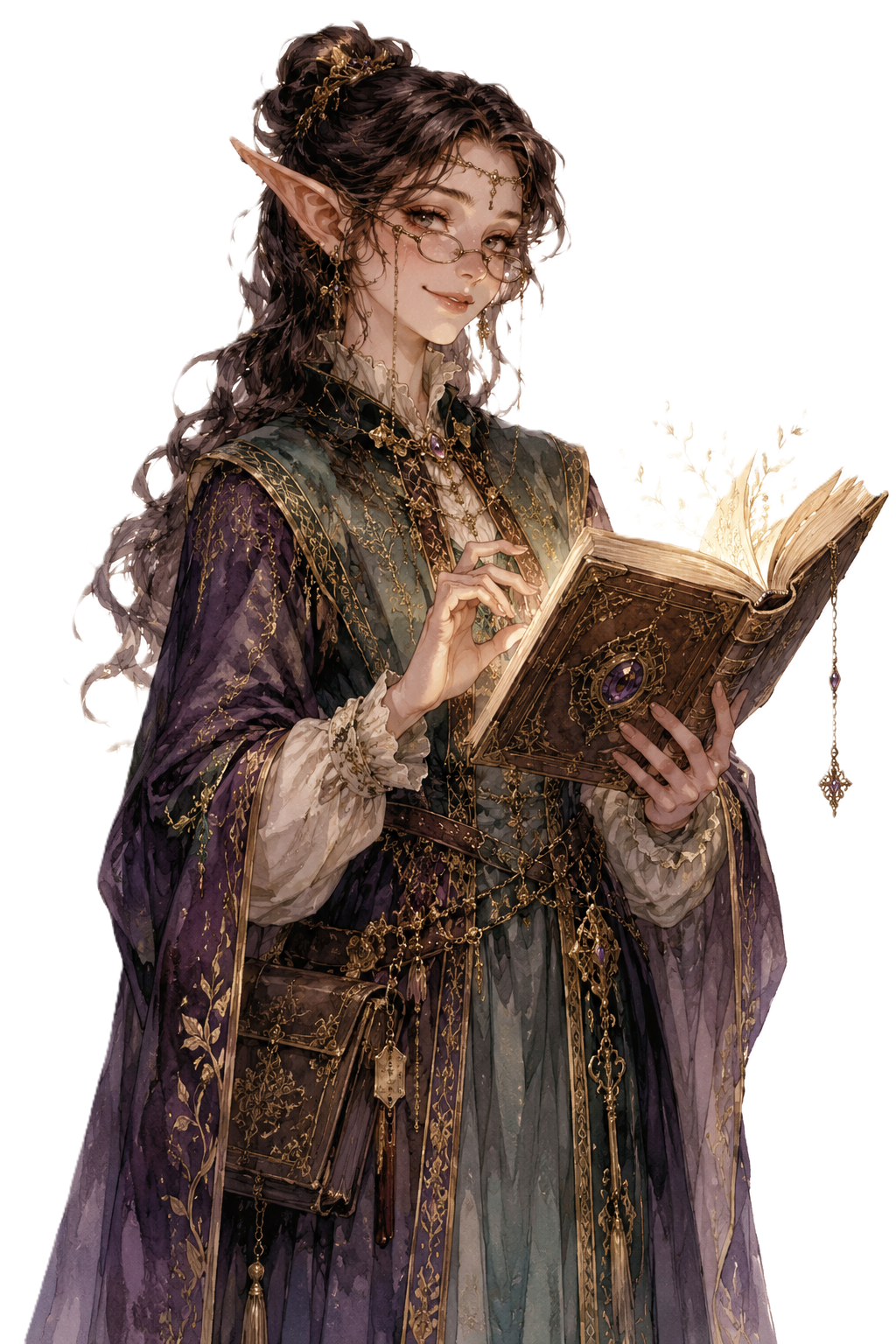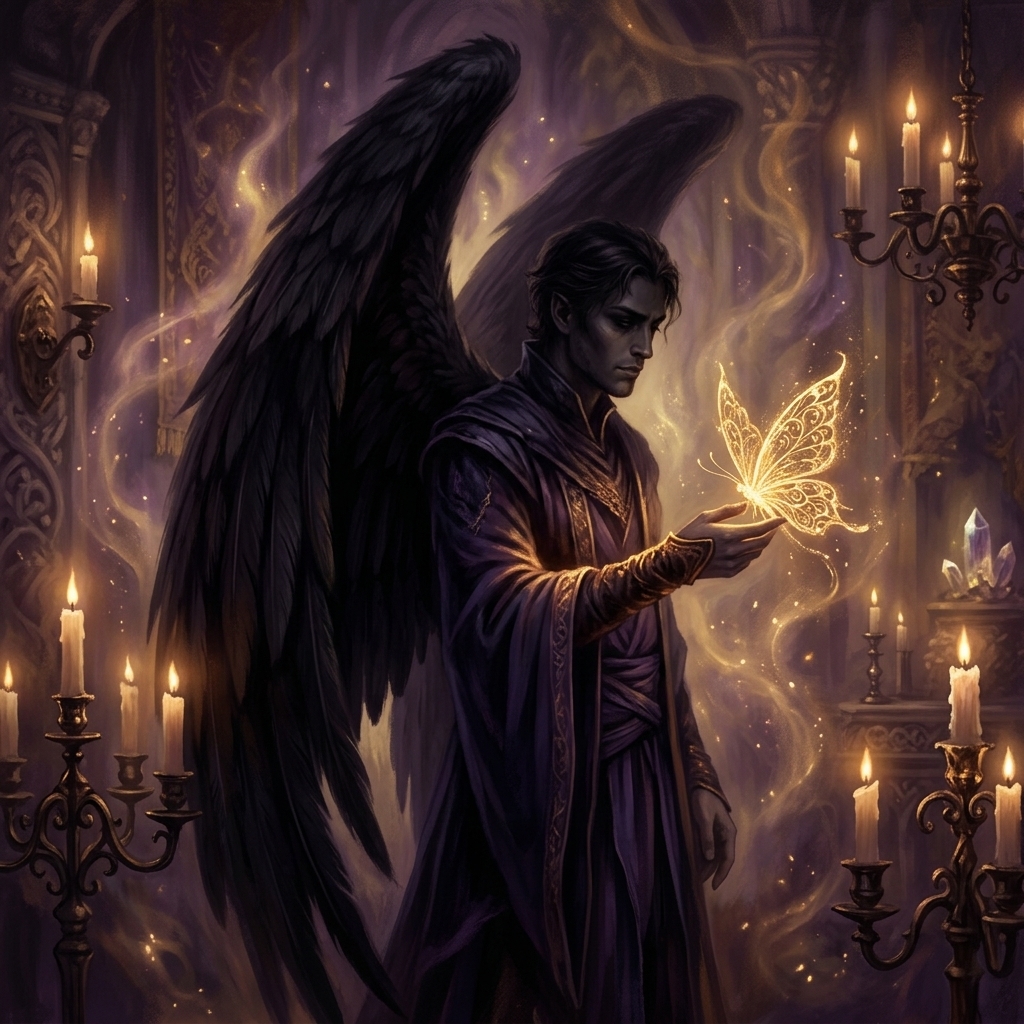
Imagine the cold, absolute pitch-black of a bedchamber. You are lying in the dark, waiting for a husband you have never seen. You have been told by an oracle that he is a monster — a winged serpent who terrifies the gods themselves. Every muscle in your body is locked, waiting for the first sound of his breath.
This is not a scene from the latest dark fantasy romance trending on TikTok. It is a story written in the second century AD by a Roman writer named Apuleius. The tale of Cupid and Psyche — or Eros and Psyche, depending on your preferred pantheon — is the oldest, most resilient blueprint for modern romantasy. Long before we had three-book series and special editions, classical antiquity was already perfecting the art of the monster lover.
I spent my entire evening rereading this ancient text, drinking lukewarm tea, and realizing that every single trope we scream about in modern paperbacks was already cataloged thousands of years ago. We think we are inventing new ways to explore desire and danger. In reality, we are just retreading the same sacred, shadowed path.
Take the “monster lover” trope, which is currently dominating the fantasy romance charts. In the myth, Psyche’s sisters convince her that her mysterious husband is a grotesque beast who plans to devour her. The tension of the story relies on this exact psychological dread — the fear of the unknown monster, paired with the intense, physical reality of a lover who is incredibly gentle in the dark.
It is the direct ancestor of our modern obsession with the protective beast. When we read stories where the heroine is locked in a castle with a deadly fae lord or a clawed demon, we are experiencing the exact same thrill that Apuleius’s readers felt. The boundary between terror and desire is razor-thin. We enjoy the drop of the roller coaster because we know, deep down, the monster is going to fall first.
Then there is the concept of the invisible husband. Eros visits Psyche only in the absolute dark of night, forbidding her from ever looking upon his face. This restriction is not just a plot device — it is the ultimate expression of emotional intimacy divorced from visual judgment. It is the original version of the masked ball, where characters are allowed to show their true selves only when their identities are hidden.
I find this dynamic fascinating because it mirrors how we seek safety in relationships. In the dark, Psyche does not have to worry about the expectations of her royal family or the jealous eyes of the gods. Her connection to Eros is built entirely on whispered conversations, shared warmth, and a quiet, domestic peace that exists outside the sunlit world. It is the ultimate escape from reality — a theme that modern romantasy continues to explore in every shadow king and dark prince.
Of course, this peace cannot last because the narrative demands conflict. Psyche eventually yields to her curiosity, lights a lamp while Eros sleeps, and accidentally spills a drop of hot oil on his shoulder. The betrayal is instant, and the god of love flees into the sky. What follows is the section of the myth that defines the structure of almost every high-stakes fantasy series: the trials.
To win Eros back, Psyche must submit herself to the wrath of Venus, who sets four seemingly impossible labors. These trials are the ancient prototype for the deadly tournaments and trials we see in modern romantasy. Psyche’s tasks are not just physical challenges — they are psychological tests of her devotion and intelligence:
- Sorting the Seeds: Psyche must organize a massive, chaotic mound of wheat, barley, millet, and poppy seeds before nightfall, showing how detail-oriented focus is required to survive chaotic environments.
- Gathering the Golden Wool: She must retrieve wool from wild, dangerous sheep with golden fleeces, which teaches her to wait for the quiet of evening rather than charging headfirst into danger.
- Retrieving the Stygian Water: Psyche must fill a crystal urn with water from the river Styx, a task that forces her to accept help from an eagle, proving that survival in dangerous realms requires relying on allies.
- The Box of Persephone: Her final, most dangerous task is to enter the Underworld itself to retrieve a box of beauty from the queen of the dead, highlighting the ultimate romantasy theme of crossing into the dark to reclaim what is yours.
This journey to the Underworld is a crucial mythological anchor. It is the same journey we see in modern retellings, where the heroine must descend into a literal or metaphorical hell to save the person she loves. It is a theme I explored when analyzing why romantasy cannot escape the grip of the Hades and Persephone myth in romantasy, as both stories require the protagonist to look death in the face to find their power.
We see these exact trials repeated in modern hits. In Sarah J. Maas’s A Court of Thorns and Roses, Feyre Archeron’s trials Under the Mountain are a direct retelling of Psyche’s labors. Feyre must sort trash, face giant beasts, and solve riddles — all under the cruel watch of Amarantha, who plays the role of the jealous Venus. We swoon when a protective love interest steps in, a dynamic that explains the safe threat response and why we love the “touch her and you die” trope in romantasy, because Xaden or Rhysand represents that same celestial intervention Psyche received from the gods — a protection that often stems from their own hidden wounds, prompting a deep dive into the savior complex and wounded heroes in romantasy.
Modern writers continue to return to this source material because it is structurally perfect. Katee Robert’s Neon Gods reinterprets these power dynamics in a modern, dark city setting, showing how ancient power structures still dictate our romantic fantasies. Meanwhile, Luna McNamara’s Psyche and Eros gives the myth a feminist update, turning Psyche into a warrior who refuses to be a passive victim of destiny.
Even when we are annotating our books — a practice that has become a whole annotation aesthetic of its own — we are participating in a tradition of reclaiming the text, marking the moments where the ancient myth speaks directly to our modern lives. We highlight the lines where the monster reveals his humanity because those are the moments that make us feel seen.
Apuleius knew what he was doing. He understood that we do not want a safe, predictable love story. We want the dark bedchamber, the winged god, the impossible trials, and the journey to the Underworld. We want a love that is dangerous enough to terrify the gods, but safe enough to hold us in the dark.
Why do we still search for love in the shadows of monsters?
Author

Enjoying this?
Vellichor is free and ad-free. If you enjoy our essays, consider supporting us with a one-time contribution.
Support Vellichor →