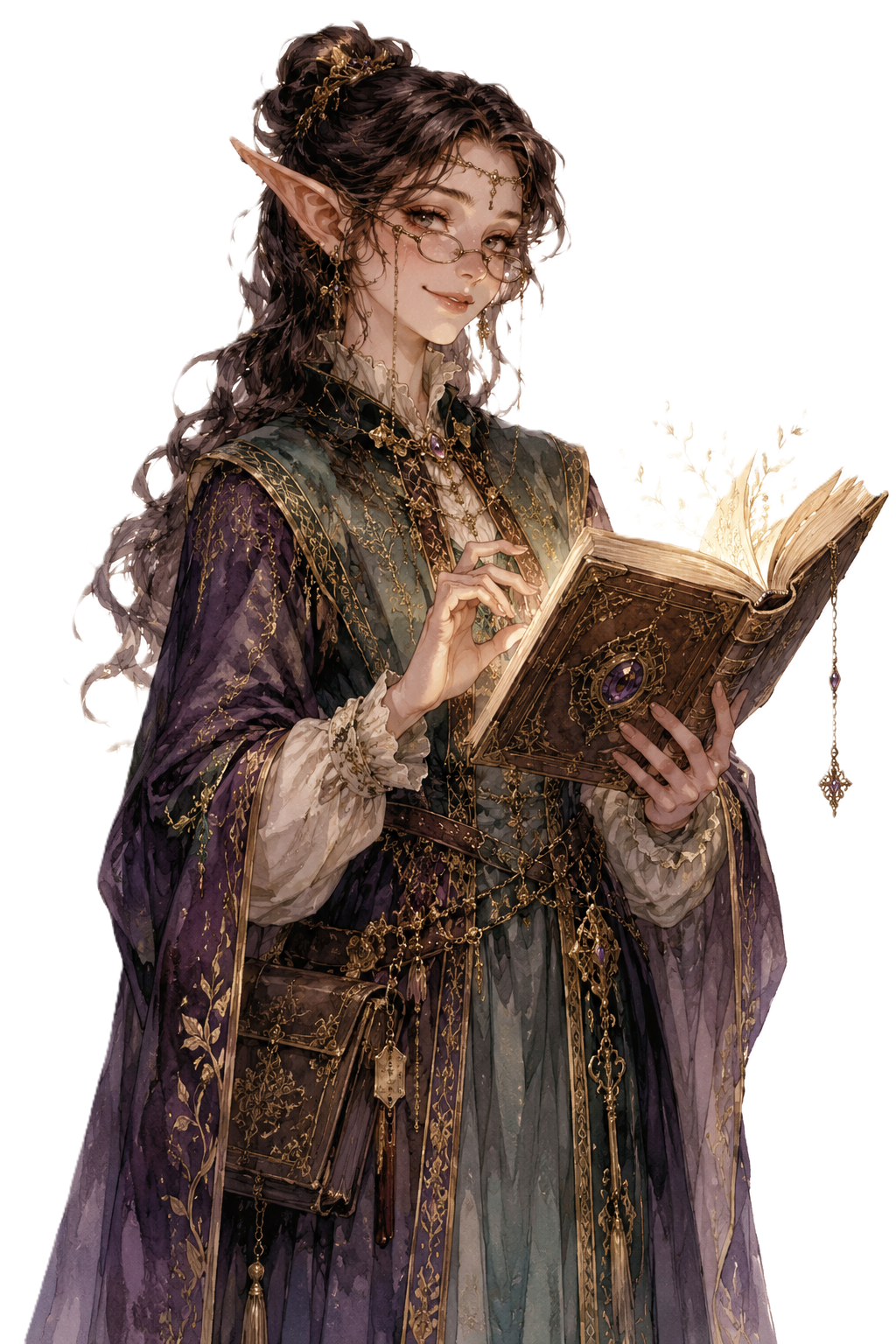
I want you to picture the quietest, most vulnerable moment in a high-stakes fantasy novel. The lethal commander who has ordered executions without blinking sits in a darkened room, illuminated only by a dying candle. He is staring at his scarred hands, and he finally confesses the childhood trauma that has haunted him for centuries. You are holding your breath, clutching the paperback, and feeling an overwhelming, almost physical urge to pull him into a hug and heal every single fracture in his soul.
This emotional reaction is the savior complex in action, and it is one of the most powerful psychological engines driving modern romantasy. We think we are just enjoying a good story. In reality, our brains are engaging in a highly satisfying, controlled simulation of emotional rescue. As someone who has spent far too many nights tabbing pages where a cold, dangerous warrior finally breaks down in tears — usually in a shadow-draped, candle-lit room like the ones in my discussion of the gothic library and dark academia aesthetic — I wanted to understand why we are so deeply attracted to the wounded hero.
In the real world, trying to date a man who is emotionally unavailable, severely traumatized, and carrying a massive savior complex of his own is a recipe for an exhausting relationship. Yet, in the pages of romantic fantasy, we swoon when a broken warrior reveals his vulnerabilities only to the heroine. The difference lies in a fascinating concept discussed on Psychology Today regarding emotional safety and co-dependency in literature. In fiction, we get the emotional payoff of healing someone’s deepest wounds without any of the toxic, real-world consequences.
I have realized that this dynamic is built entirely on the concept of emotional vulnerability as the ultimate currency of trust. When a character who is dangerous to the rest of the world lets down his guard for the protagonist, it acts as a massive validation of the heroine’s worth. He is saying that she is the only person in the universe who is safe enough to see his weakness. It is a powerful form of reassurance — the ultimate proof of devotion.
It is a pattern that goes back to the absolute roots of the genre. When I was analyzing how the ancient myth of Eros and Psyche established the foundation of the genre in my discussion of the mythological roots of romantasy, I noticed this exact pattern. Psyche’s journey is not just about sorting seeds or gathering golden wool. It is about proving her devotion by descending into the Underworld itself to save and heal her wounded lover.
We see this co-dependent, healing dynamic played out in different ways across our favorite modern romantasy series:
- A Court of Thorns and Roses: Sarah J. Maas contrasts toxic co-dependency with Tamlin — where both characters suffocate each other in a desperate, failed attempt to ignore their shared trauma Under the Mountain — against Feyre’s healthy healing journey with Rhysand, who allows her the space to rebuild her own agency.
- Fourth Wing: Rebecca Yarros constructs Xaden Riorson as a classic wounded hero, carrying the physical and emotional scars of a rebellion, making his moments of vulnerability with Violet Sorrengail feel earned because they require him to actively yield control.
- Throne of Glass: Rowan Whitethorn’s centuries-long grief over his lost mate is not simply “fixed” by Aelin Galathynius; instead, their shared, parallel trauma creates a mutual understanding where they act as equal anchors rather than co-dependent rescuers.
These case studies show that the wounded hero is not just a passive object of the reader’s savior complex. In modern romantasy, the act of healing is a collaborative process. The heroines are not merely nurses tending to wounds — they are powerful characters who are fighting their own battles and finding their own strength.
The attraction to the broken warrior also speaks directly to how we regulate our own anxiety. When we read about a character who has survived unimaginable horrors and still manages to find love, safety, and peace, it gives us a profound sense of hope. It is a literary sanctuary. We get to experience the safe threat response, a psychological relief I analyzed when exploring why we love the “touch her and you die” trope in romantasy, because the protective instinct of a wounded hero is always absolute.
Even when we are actively tabbing our books — a practice that has become a whole annotation aesthetic — we are marking these exact moments of vulnerability. We use a specific color for the confessions, the scars, and the quiet promises made in the dark. We highlight the lines where the cold commander finally reveals his heart because those are the moments that make the fantasy feel real.
We live in a culture that demands constant strength, self-reliance, and emotional containment. We are told to carry our own burdens and never show weakness. It is exhausting to pretend that we are always fine.
Romantasy offers a temporary escape from that pressure. It allows us to imagine a world where weakness is not punished, but cherished. It is a space where the most dangerous creature in the realm can sit in the dark, show his scars, and be loved not in spite of them, but because of them.
Are we looking for a broken man to fix, or are we just looking for a space where our own wounds are finally allowed to show?
Author

Enjoying this?
Vellichor is free and ad-free. If you enjoy our essays, consider supporting us with a one-time contribution.
Support Vellichor →