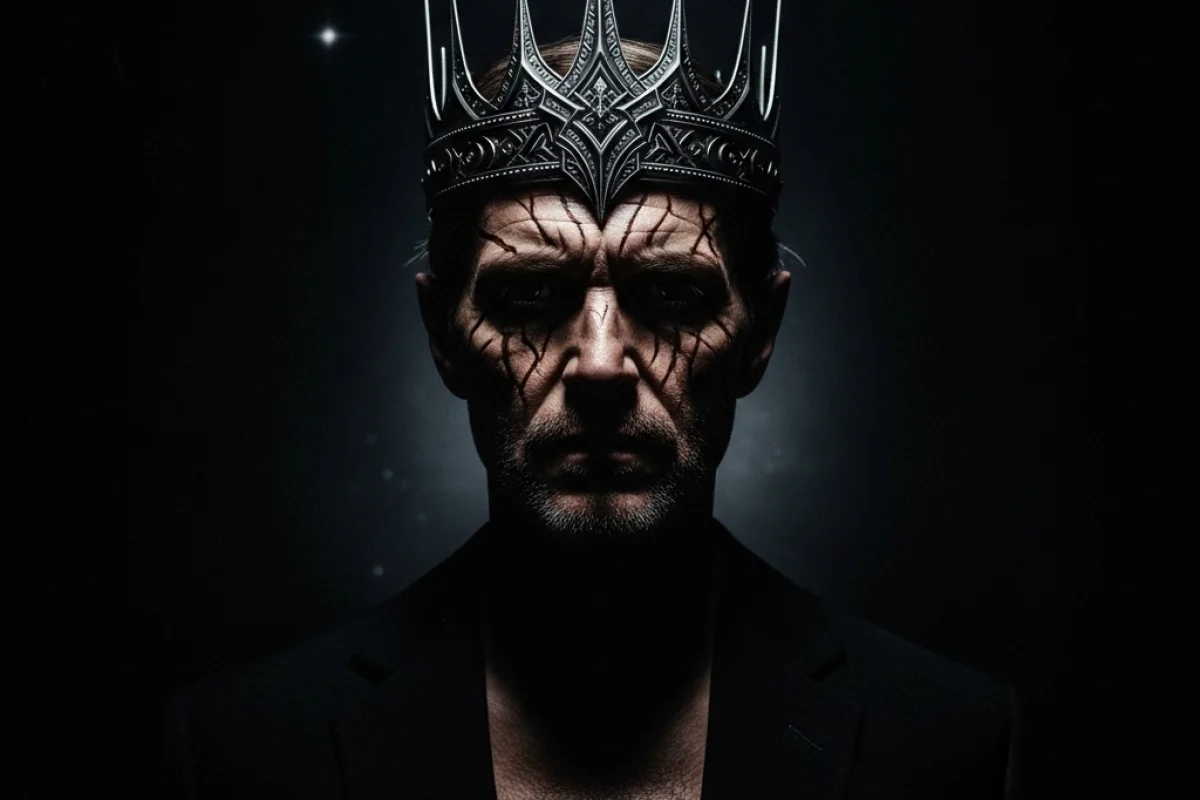
Look, we need to talk about your taste in fictional men. Because if you’ve ever caught yourself whispering “he’s not THAT bad” about a character who has literally committed war crimes, congratulations — you’re one of us. Welcome to the morally grey villain fan club, where the entry requirement is a complete inability to root for the nice guy.
But here’s the thing — this isn’t just a quirky reading preference. There’s actual CRAFT behind why these characters consume our entire personalities. So let’s break down why morally grey love interests hit different in fantasy romance, and why authors who write them are basically emotional architects of chaos.
Why Moral Ambiguity Thrives in Fantasy Romance
Fantasy romance gives morally grey characters something contemporary settings simply can’t: a world where the RULES are different. When your love interest is a centuries-old fae prince or a warlord bound by blood magic, you can’t exactly judge him by modern ethical standards. The genre builds in plausible deniability for terrible behavior, and honestly? We love that for us.
This is where the anti-hero trope goes absolutely feral. In fantasy, moral ambiguity isn’t a bug — it’s the entire operating system. The magic systems and political structures CREATE situations where doing the “right” thing is genuinely impossible. And when your love interest chooses the brutal-but-effective option? That’s not a red flag, that’s WORLDBUILDING, baby.
Think about it: the enemies-to-lovers pipeline DEPENDS on the love interest being someone the heroine (and you, the reader) should absolutely not trust. The tension lives in that gap between what you know about someone and what you feel about them. Fantasy just cranks that dial to eleven.
The Architecture of Allure: Getting Specific About the Darkness
Here’s what separates a forgettable “bad boy” from a Cardan or a Rhysand: SPECIFICITY. The best morally grey villains don’t just do vaguely bad things — they do precisely terrible things that reveal exactly who they are. And then the author makes you understand WHY, and suddenly you’re writing a 2,000-word Goodreads review defending a fictional murderer at 3 AM.
Cardan doesn’t just bully Jude — he does it with a cruelty that’s clearly self-loathing turned outward. Rhysand doesn’t just keep secrets — he builds an entire performance of villainy to protect what he loves. (If you haven’t read ACOTAR, first of all HOW, and second of all, fix that immediately.)
The darkness has to be ARCHITECTURAL — what we call the shadow daddy archetype. It needs load-bearing walls. A slow burn with a morally grey character works because every revelation about their past adds a new room to the house you’re building in your head. You’re not just falling for them — you’re constructing an entire theory about why they deserve redemption.
The Weaponization of Reader Complicity
Now HERE’S where it gets devious. The best morally grey villain romances don’t just make you like the character — they make you COMPLICIT. You become an active participant in excusing their behavior. You start doing mental gymnastics that would qualify you for the Olympics. “Well, he only destroyed that village because—” STOP. Listen to yourself. You sound unhinged. (Same though.)
This is brilliant craft. When an author makes you root for someone you KNOW is problematic, they’ve weaponized your own empathy against you. The heroine’s journey of falling for this person mirrors YOUR journey as a reader. You’re both making the same questionable choice in real time, and that parallel creates an intimacy with the text that squeaky-clean love interests simply cannot replicate.
The evolution of enemies-to-lovers as a trope has leaned HARD into this complicity. Modern fantasy romance doesn’t want you to be a passive observer — it wants you sweating, conflicted, and absolutely feral in the comments section. And the dark fae romance subgenre? That’s basically complicity as an art form.
Your Assignment: The Line in the Sand
So here’s the real question, and I want you to actually think about this: where’s YOUR line? Every reader has one. There’s a point where “morally grey” tips into “absolutely not,” and that line is FASCINATING because it’s different for everyone. Betrayal? Violence? Manipulation? What’s the thing that makes you close the book and say “okay, I cannot root for this man”?
Knowing your line makes you a better reader. It helps you understand what you’re actually responding to in these characters — is it the competence? The vulnerability beneath the armor? The devotion that exists alongside the darkness? Once you identify WHAT specifically makes you feral for a morally grey villain, you’ll start finding better books, having better discussions, and writing better reviews.
Because at the end of the day, loving morally grey characters isn’t a personality flaw (no matter what BookTok discourse says). It’s a sign that you read with your whole chest, that you engage with complexity, and that you understand fiction is the SAFEST place to explore the full spectrum of human behavior. Now go forth and defend your problematic faves with zero shame.
This post contains affiliate links. If you purchase through these links, we earn a small commission at no extra cost to you — which basically funds our book-buying problem.
Further Reading
- Our Ultimate Guide to Morally Grey Love Interests in Fantasy
- Best Enemies-to-Lovers Fantasy Romance Books
- Slow Burn Fantasy Romance Recommendations
The morally grey villain’s signature move? The knife-to-throat moment — where threat becomes intimacy and we lose our minds completely.
Enjoyed this essay?
Vellichor is free for everyone. If this essay was worth your time, consider supporting us.
Enjoying this?
Vellichor is free and ad-free. If you enjoy our essays, consider supporting us with a one-time contribution.
Support Vellichor →