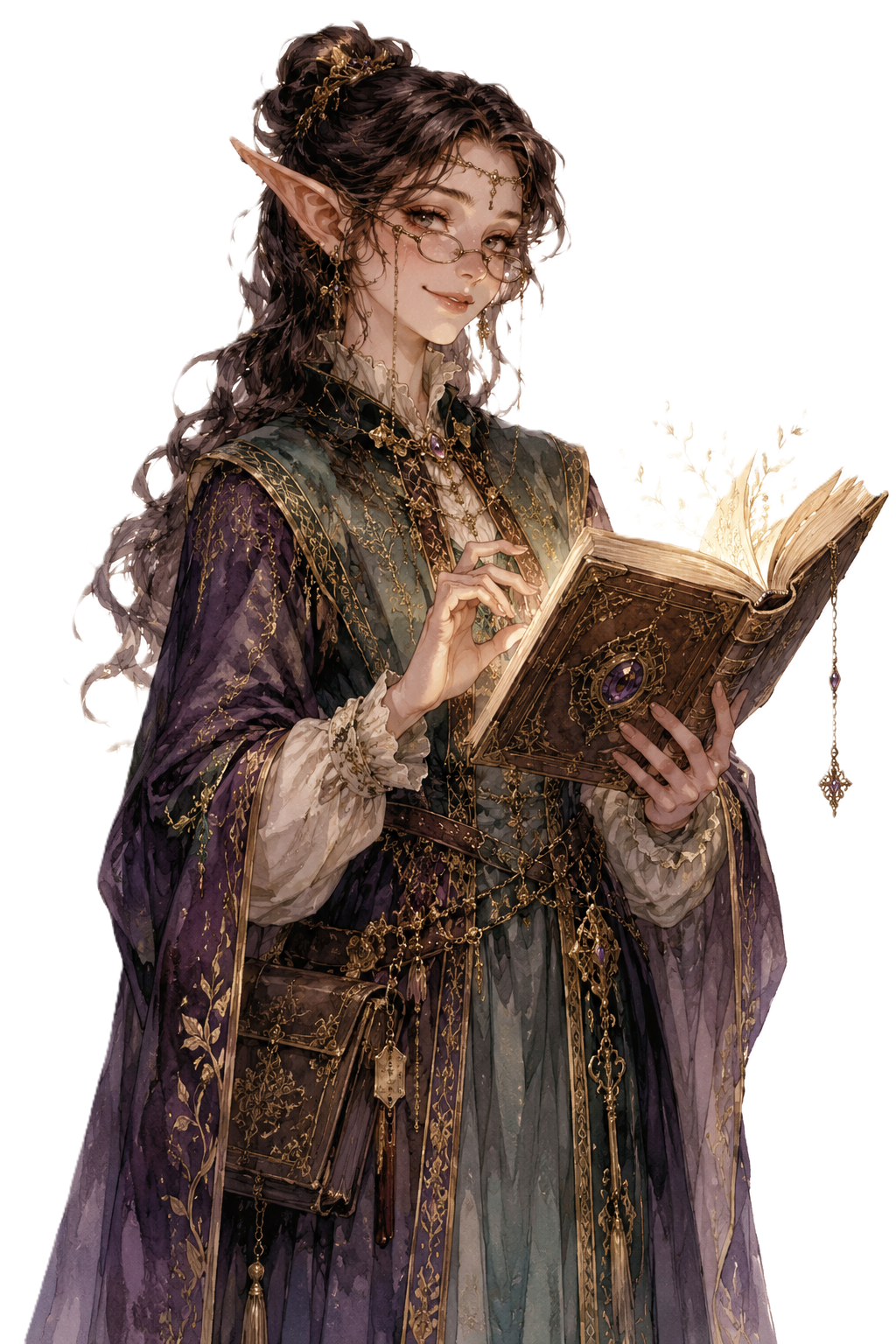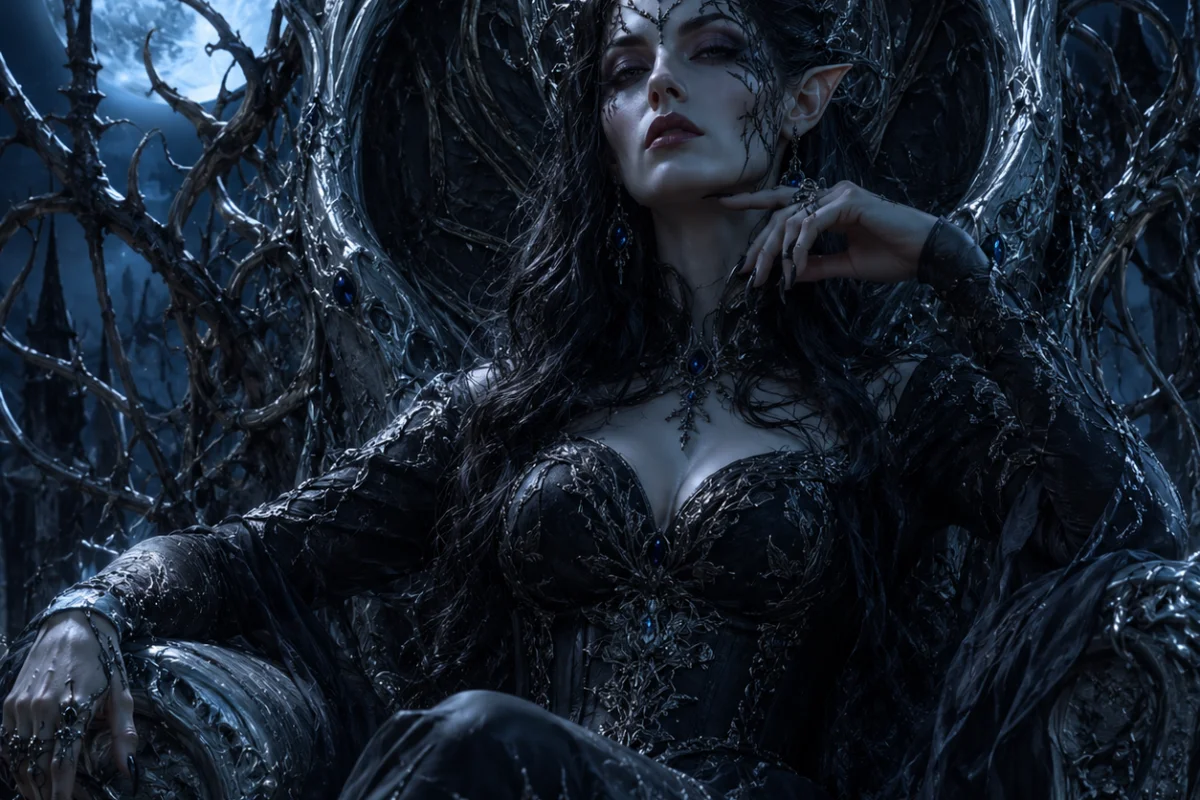
Okay, let’s talk about dark fae romance. Not just “fantasy romance but make it sparkly.” I mean the REAL stuff—the books where the love interest literally cannot lie but will weaponize the truth until you’re signing away your firstborn. The ones where the heroine doesn’t tame the monster. She becomes one. If that sounds like your idea of a good time, welcome. You’re among friends here.
The best dark fae romance books operate on a specific frequency: ancient predators with alien morality, mortal heroines who refuse to break, and bargains that cost EVERYTHING. It’s enemies-to-lovers fantasy romance cranked up to eleven because the power imbalance isn’t just social—it’s existential.
Here are seven books that absolutely nailed it. Courts are deadly, romance is a contact sport, and you WILL lose sleep.
The Cruel Prince (The Folk of the Air) — Holly Black
Holly Black wrote the blueprint. Full stop. Jude Duarte is a mortal girl raised among fae who are vicious, arrogant, and would kill her for entertainment on a slow Tuesday. So what does she do? She decides to out-scheme every single one of them. Her dynamic with Prince Cardan is the GOLD STANDARD of enemies-to-lovers—he’s cruel, she’s ruthless, and watching a fragile human girl make an entire court of immortal predators nervous is genuinely one of the most satisfying things I’ve ever read. Black never softens the fae. They stay alien. They stay dangerous. That’s why it works.
A Court of Mist and Fury — Sarah J. Maas
Look, the first book is fine. But ACOMAF? That’s where Maas said “hold my wine” and built an entire world that lives rent-free in your brain forever. Rhysand is THE morally grey fae love interest. He wears villainy like armor to protect what he loves, and the slow burn with Feyre is built on shared trauma, mutual respect, and the radical idea that the “dark” court is actually the only place with genuine freedom. The magic system architecture expands beautifully here, and Maas turns the mate trope into something that feels like a CHOICE. This is the book that launched a revolution in romantasy for a reason.
The Serpent and the Wings of Night — Carissa Broadbent
Technically vampires. Functionally? Dark fae energy in every single way that matters—lethal court politics, predatory grace, and a human girl fighting immortals in a brutal tournament she has no business surviving. Oraya was raised by the vampire king, and her alliance with Raihn (a rival competitor who could absolutely kill her) is PEAK “I should not trust you but here we are.” The survival stakes make the romance feel desperate and vital. You will read this in one sitting. I’m not apologizing for that.
An Enchantment of Ravens — Margaret Rogerson
A standalone that captures the ALIEN nature of the fae better than most series manage in five books. The fair folk here can’t create—no art, no music, nothing. They need humans for that, and they resent it deeply. When portrait artist Isobel accidentally paints human emotion into the Autumn Prince’s eyes, she gets dragged to fae court to stand trial. The romance is tight, fast, and built on the terrifying question: what does it mean to love something that literally cannot feel the world the way you do? Devastating in the best way.
Fortuna Sworn — K.J. Sutton
This one goes DARK dark. Urban fantasy, gritty, no punches pulled. Fortuna is a nightmare—she reads fears and manifests them—and to save her brother, she bargains herself to Collith, an Unseelie king, as his mate. The court politics are violent, the romance is a psychological chess match, and Sutton does NOT shy away from showing you exactly what fae bargains cost. If you want your dark fae romance with actual consequences and zero comfort, this is your book.
A Kiss of Iron — Clare Sager
Espionage meets fae court intrigue, and honestly? Chef’s kiss. Kat is sent to spy on the fae courts for her human king, and Bastian—the fae lord she’s supposed to be gathering intel on—is lethally charming and politically brilliant. The tension here is built entirely on secrets, unspoken want, and the constant awareness that one wrong word means death. It’s the kind of book where every conversation is a sword fight. Electric doesn’t even cover it.
These Hollow Vows — Lexi Ryan
Love triangle done RIGHT. Brie hates the fae (valid) but infiltrates their courts to save her sister, and ends up torn between a Seelie prince and an Unseelie prince. Yes, it leans into the tropes—magical bonds, hidden identities, courtly betrayal—but it executes them at a pace that makes you forget you have a job tomorrow. Sometimes you want a book that grabs you by the throat and doesn’t let go until the last page. This is that book.
The Architecture of the Fae Bargain
Here’s what ties ALL of these together: the Bargain. In fae lore, a promise isn’t just words—it’s magic. It’s binding. When a heroine bargains with a fae lord, she’s trading a piece of herself for survival, and the romance grows in that claustrophobic space between obligation and genuine feeling. That’s the engine of dark fae romance. It’s not “will they get together?” It’s “what will it COST them?” And that tension? Absolutely unmatched.
Want more? Check out: Best Romantasy Series to Binge Right Now · The Allure of the Morally Grey Villain
📚 Ready to fall down the rabbit hole?
Affiliate links — we may earn a small commission at no extra cost to you.
Author

Enjoying this?
Vellichor is free and ad-free. If you enjoy our essays, consider supporting us with a one-time contribution.
Support Vellichor →