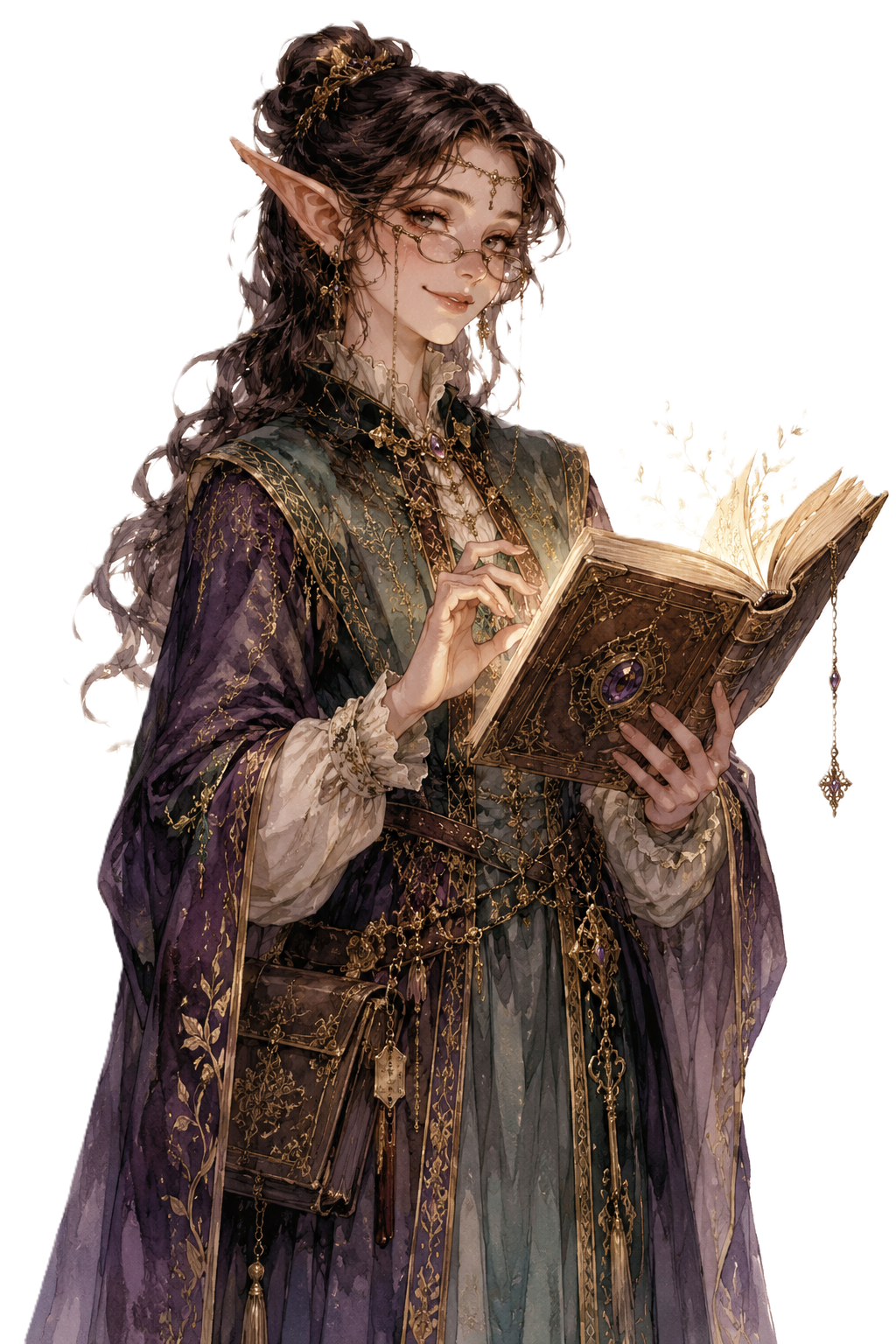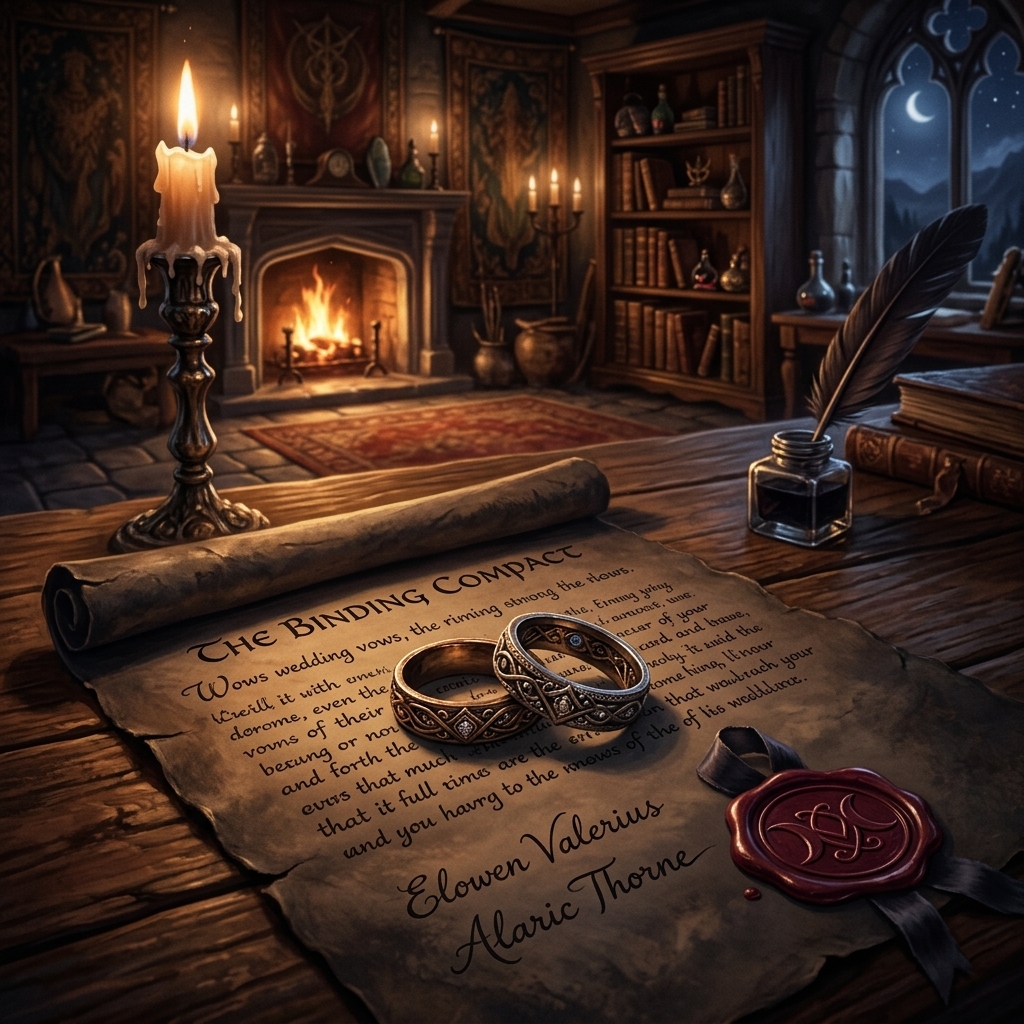
Ah, the arranged marriage trope. The ultimate setup for political intrigue, icy glares, and a slow burn so agonizingly beautiful it will ruin your sleep schedule for a week. If you are a romantasy enthusiast, you know the exact vibe: two characters from warring kingdoms, forced by duty to stand at an altar, trade vows they don’t mean, and sign a contract that legally binds them before they’ve even had a civil conversation.
But let’s be honest: why are we so collectively obsessed with this trope? In real life, an arranged marriage is a stressful, high-stakes court nightmare. But in the sanctuary of a fantasy novel, it is pure, unadulterated gold. Grab your coffee (or something stronger, court politics are exhausting), and let’s dissect why this trope continues to rule our bookshelves and how writers craft the perfect forced-vow slow burn.
The Contract of Proximity: Deleting Distance
The power of the arranged marriage trope lies in the deletion of choice and distance. It is a variation of forced proximity. The characters are legally and politically bound to share a life, which means they must share:
- Quarters and Castles: Navigating corridors, court dinners, and the classic only one bed dilemma in drafty guest rooms.
- Secrets and Alliances: Learning to trust each other with court secrets, even when their kingdoms are on the brink of war.
- Physical Closeness: Every brush of hands at a royal gala or shared look across a council table becomes electric.
Unlike standard romance where characters can choose to walk away when things get tough, an arranged marriage locks them in a room together. They are forced to confront the reality of the other person. They see each other at their worst—exhausted, guarded, and politically vulnerable.
The Shift: From Duty to Desire
The best part of this trope is the transition. We don’t want them to fall in love on page fifty; we want the slow, stubborn erosion of their defenses. It starts with duty—they protect each other because it’s politically necessary. But slowly, that duty shifts into a deep, consuming desire.
It’s built on small, high-stakes moments:
- Tending to injuries after a court assassination attempt, leading to a quiet “Who did this to you?” moment.
- Realizing that beneath the cold, royal exterior is a person fighting for their own survival.
- A sudden, fierce alignment of goals where they realize they are a team against the rest of the court.
Often, this trope overlaps with the classic enemies to lovers dynamic. They start with active hostility, but the forced alliance forced them to realize that their "enemy" is the only person who actually understands the weight they carry.
The Writing Craft: Crafting Believable Vows
For the writers out there, pacing an arranged marriage requires walking a tightrope. If you move too fast, the political conflict feels cheap. If you move too slow, the romance loses momentum. Here are a few rules to keep in mind:
- Keep the Stakes High: The reason for the marriage must be real and pressing. Whether it’s preventing a war, securing a magic line, or a desperate alliance for survival, the contract must feel unbreakable.
- Pace the Emotional Shift: Let them maintain their guards. They should clash over court politics, disagree on strategy, and keep secrets. The transition from distrust to trust must be earned through shared trials, sometimes culminating in a high-tension knife-to-throat standoff where the power balance is tested.
- Give Them Agency: Even in a forced contract, the characters must have agency. They might not have chosen the marriage, but they choose how they navigate it, how they protect each other, and when they finally choose to surrender to their feelings. This chemistry is what makes forbidden love dynamics so intoxicating when they finally cross the line.
The Holy Grail Recommendations
If you want to read arranged marriage done right, add these to your TBR list immediately:
- The Bridge Kingdom by Danielle L. Jensen: The blueprint. A warrior princess is sent to marry the king of a rival nation under the guise of peace, but her real mission is to bring his kingdom down. The tension, the slow trust building, and the ultimate betrayal are masterfully written.
- Radiance by Grace Draven: A cozy, beautiful fantasy romance where two royals from different species are married for alliance. They find each other physically repulsive at first, but their friendship and eventual love are built on humor, respect, and deep mutual care.
- Serpent & Dove by Shelby Mahurin: A witch and a witch hunter forced into marriage after an awkward public encounter. The banter, the secrets, and the clashing worldviews make this an incredibly fun, high-tension read.
For a broader selection of reads that will keep you up until sunrise, check out the community favorites on the Goodreads Marriage of Convenience shelf.
Let’s Talk: What’s Your Favorite Arranged Marriage Read?
Are you a fan of the warring kingdoms political alliance, or do you prefer the marriage of convenience fake-dating style? Who is your favorite arranged couple?
Let me know in the comments below! Let’s swap recommendations and emotionally ruin each other’s reading lists.
Related reading: post_name . />Rooting for the Bad Guy: Why the Villain Gets the Girl in Romantasy
Author

Enjoying this?
Vellichor is free and ad-free. If you enjoy our essays, consider supporting us with a one-time contribution.
Support Vellichor →