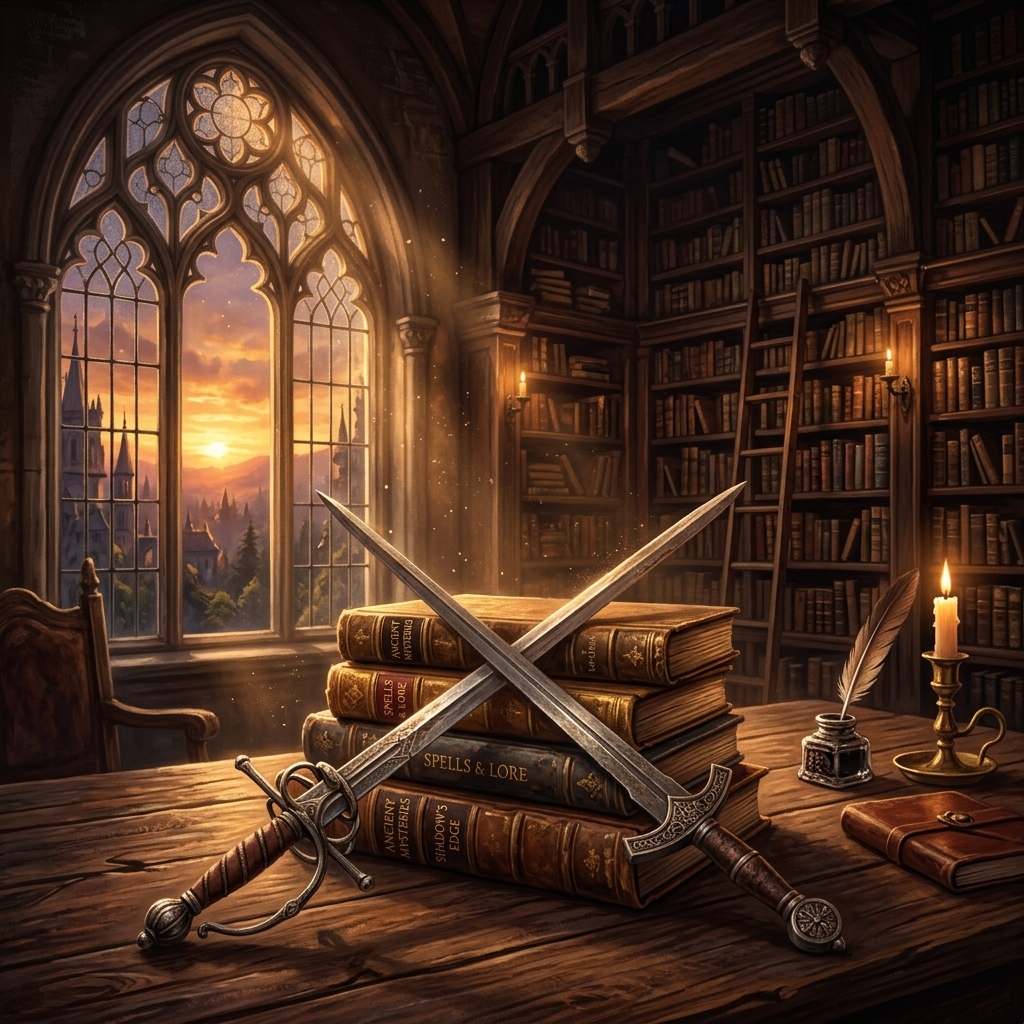
Ah, enemies-to-lovers. The holy grail. The absolute peak of literary torture. If you are anything like me, you’ve spent far too many nights staring at a screen or a page at 3:00 AM, clutching a book to your chest, absolutely feral because two fictional people who wanted to end each other’s lives in chapter three are now breathing the same air in a way that feels highly illegal.
Let’s be honest: there is nothing quite like the delicious, slow-burning agony of two characters who are sworn enemies. It’s not just a trope; it’s an emotional crisis we willingly pay for. But why does this specific dynamic ruin our sleep schedules and make us ignore all our adult responsibilities? Grab your coffee (or your wine, no judgment here), and let’s dissect the anatomy of the enemies-to-lovers trope and why it has us in an absolute chokehold.
Banter as Foreplay: The Art of the Verbal Duel
Before there are any physical sparks, there is the banter. And in romantasy, verbal fencing is the ultimate foreplay. It’s the sharp, biting remarks, the dry humor, and the refusal to back down.
When done right, banter isn’t just dialogue; it’s a battle of wits where every insult is actually a thinly veiled confession of obsession. Think about the tension when they are forced to work together, trading barbs that show they know each other’s minds better than anyone else. It’s that spark that makes us sit up and think, Oh, you two are going to make out so hard on a map table later.
Writing good banter requires keeping the characters evenly matched. If one character is constantly steamrolled, the chemistry dies. They need to challenge each other, finding the exact pressure points to provoke a reaction.
The Shift: Small Cracks in the Armor
An enemies-to-lovers arc is only as good as its slow burn. We don’t want a sudden pivot where they wake up and decide they are in love—that’s a scam. We want the transition to be earned, built on tiny, agonizing shifts that slowly wear down their defenses.
It’s that one moment where the hatred starts to crack. It might be:
- The reluctant bandaging of a wound in a dark, quiet room.
- A lingering look when they think the other is asleep.
- The sudden, fierce urge to protect them when someone else threatens their life.
This is where we transition into the territory of the ultimate romantasy love language. The moment they realize that while they might want to destroy each other, they will absolutely murder anyone else who dares to try. We’ve dissected this protective chemistry before in our breakdown of the “Who Did This to You?” trope, and it remains one of the most satisfying turning points in any romantic arc.
The Writing Craft: Pacing the Tension
For the writers out there, crafting a believable enemies-to-lovers dynamic is like walking a tightrope over a pit of fire. If you move too fast, you fall into the trap of "insta-love," and your readers feel cheated. If you move too slow without any payoff, they lose interest.
If you love this trope, you probably also have a weakness for the high stakes and chemistry of forbidden love in romantasy, which adds another layer of delicious torture to the narrative.
Here are a few rules for keeping the tension alive:
- Maintain the Core Conflict: The reasons they are enemies must be real and high-stakes. If they hate each other over a simple misunderstanding that could be resolved in a two-minute conversation, the tension feels artificial.
- Utilize Forced Proximity: Throw them into situations where they cannot escape each other. Whether it’s a dangerous journey, a fake alliance, or the classic only one bed dilemma, physical closeness forces them to confront their feelings.
- Establish a Power Balance: The dynamic is most electric when both characters have power—whether physical, political, or intellectual. This prevents the romance from feeling coercive and keeps the threat of mutual destruction real. The thrill is in the danger of a knife-to-throat standoff where the line between threat and embrace is razor-thin.
The Holy Grail Recommendations
Ready to lose sleep and ruin your standards? Here are the series that do the enemies-to-lovers trope justice:
- The Cruel Prince by Holly Black: The blueprint. Jude and Cardan’s relationship is a masterclass in political intrigue, genuine animosity, and toxic-but-mesmerizing tension. It is a slow burn that will leave you emotionally ruined.
- A Court of Thorns and Roses by Sarah J. Maas: Specifically A Court of Mist and Fury. The slow-burn development between Feyre and the ultimate Shadow Daddy Rhysand is legendary for a reason. It perfectly captures how a relationship can shift from deep distrust to an unbreakable, fated mates bond.
- Fourth Wing by Rebecca Yarros: Deadly dragon academies, high stakes, and the immediate threat of violence. Violet and Xaden’s relationship starts with him literally wanting to kill her and evolves into something incredibly intense. If you’ve already finished it, check out our list of books like Fourth Wing to survive your post-Empyrean slump.
For a broader look at how this trope dominates the genre, you can explore the extensive community recommendations on the Goodreads Enemies to Lovers shelf, which is packed with reads that will keep you up until sunrise.
Let’s Talk: What’s Your Favorite Enemies-to-Lovers Read?
Are you a fan of the slow burn that takes three books to resolve, or do you need them to cross the line by book two? Who is your ultimate enemies-to-lovers couple?
Let me know in the comments below! Let’s swap recommendations and emotionally ruin each other’s reading lists.
Author

Enjoying this?
Vellichor members get early access to new essays, monthly reading picks, and craft workshops. From $3.99/mo — no sponsored content, ever.
See membership plans →