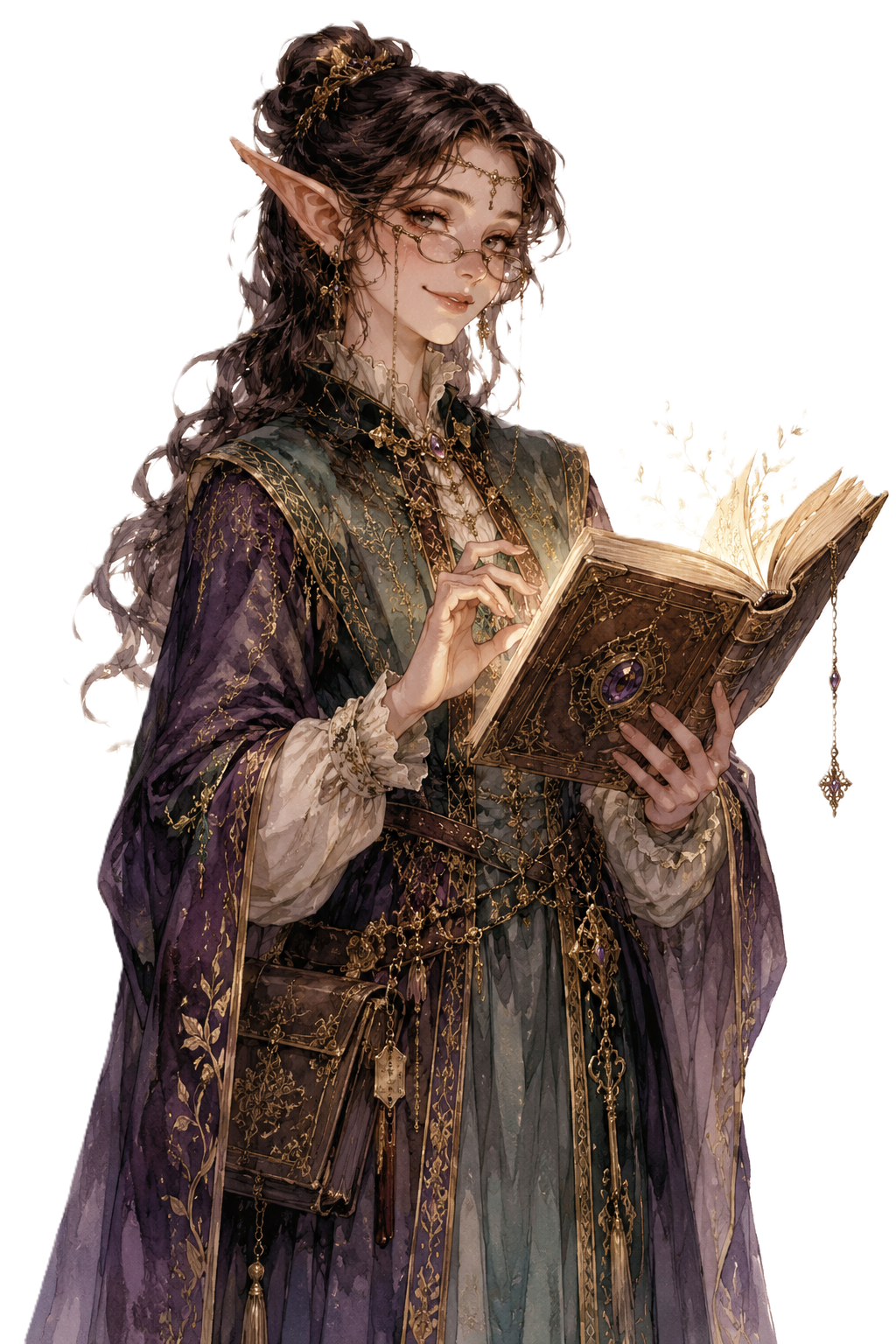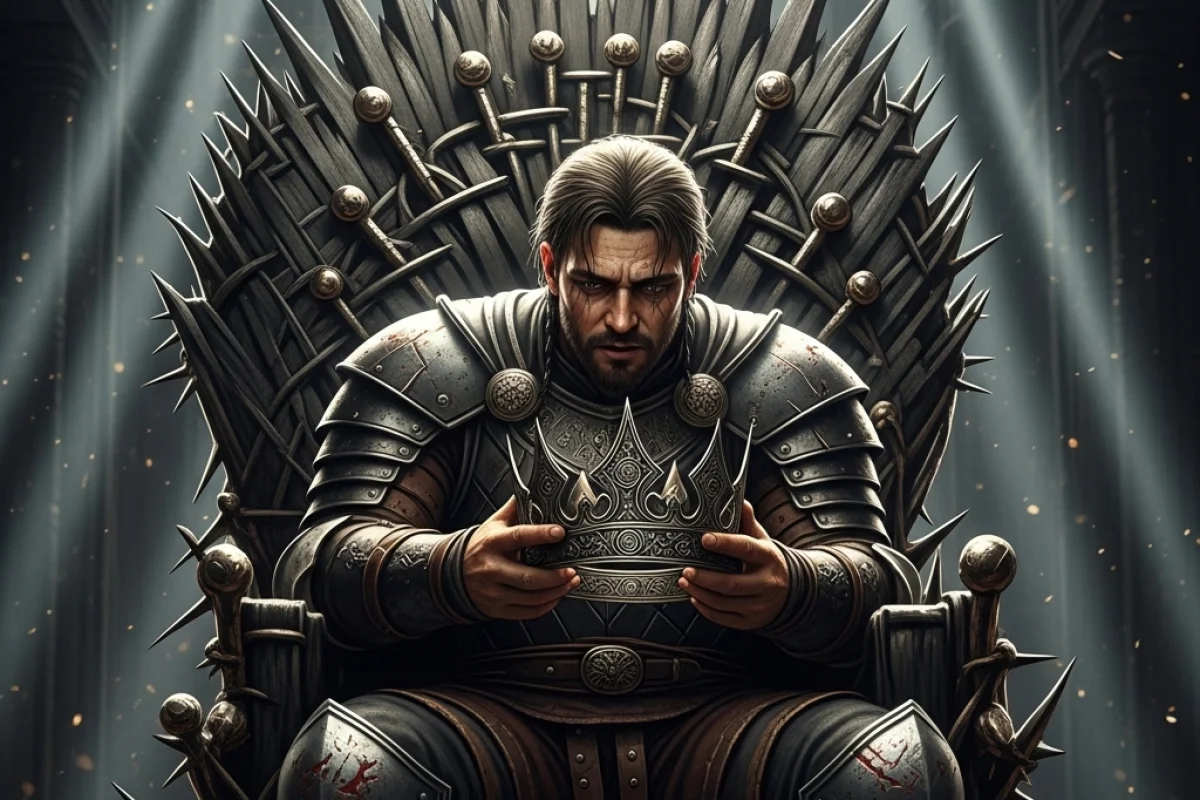
Okay, let’s talk about THE moment. You know the one. Our girl is standing there—usually covered in blood or ash or both—and some ancient being looks her dead in the eye and says: You are The Chosen One. The prophecy. The magic. The fate of the entire realm. All of it, dumped on her shoulders like the world’s worst surprise party. And her response? Her IMMEDIATE, gut-level, absolutely correct response?
No. Absolutely not. Pick someone else.
And honestly? That refusal is the most interesting thing that happens in the entire series.
The Problem With Wanting Power (Spoiler: It Rots You)
In old-school fantasy, the reluctant hero was reluctant because he was small and comfortable. Frodo wanted his pipe and his garden. Fair enough. The arc was simple: accept call, grow into role, save world, go home traumatized. Done.
Modern romantasy said “that’s cute” and made it SO much darker. These heroines don’t refuse because they’re scared. They refuse because they’ve been PAYING ATTENTION. They’ve watched power turn every adult in their life into a monster. They’ve seen the corruption up close, smelled it, survived it. Feyre doesn’t want to be High Lady because she’s watched High Lords operate and—yeah, no thanks. Nesta rejects her Cauldron-made power because accepting it means finally processing the full horror of what happened to her, and she is NOT ready for that therapy session.
The reluctance isn’t weakness. It’s intelligence. It’s the only rational response to watching power destroy everyone who touches it.
Which completely changes what the story IS. It’s not “girl grows into her power” anymore. It’s a psychological thriller about whether power is worth the cost—and whether you can wield it without becoming the thing you hate. THAT is the story I want to read every single time.
Why the Love Interest Always Believes First
Here’s the structural move that makes me feral every time: the love interest sees what she is BEFORE she does. He’s not surprised when she manifests world-ending power. He’s been watching. Cataloguing. Understanding her dark edges in ways she refuses to understand herself. His belief isn’t hope—it’s recognition.
Do you see what this does? It makes the romance LOAD-BEARING. The love story isn’t decoration on top of the chosen one plot. It IS the mechanism by which she finally accepts herself. She doesn’t say yes to destiny because a scroll told her to. She says yes because someone she trusts has already seen the terrifying god she’s becoming—and didn’t flinch.
Rhysand does this for Feyre. Cardan does it for Jude in his own twisted, adversarial, deeply unhinged way (his obsession IS recognition, just filtered through fae cruelty). It’s consistent enough to be a genre law. And like all genre laws, it’s worth asking: what does it cost her?
The Blood Price of Being Chosen
Let me be direct with you: being “chosen” is not a gift. It’s a VIOLATION. It arrives without consent, reshapes your life without permission, and demands blood you never agreed to spill. The universe looked at this one specific girl and said “your life belongs to us now” and didn’t even ask.
The heroines who bare their teeth at this—who look destiny in the face and say make me—those are the ones readers would die for. Because their resistance isn’t a flaw to overcome. It’s the only sane human response to a cosmic violation of autonomy.
And the BEST versions of this arc? They don’t resolve it neatly. She accepts the power, yes—but strictly on her terms, in her time, for her own reasons. The prophecy doesn’t get to claim her. She claims herself. The catastrophic power just comes along for the ride.
Your Assignment: Write the Refusal
You want to master the reluctant chosen one? Master the LOGIC of her refusal. It can’t be whining. It has to be a philosophical objection so airtight that the mentor has nothing to say back.
The constraint: Write a 300-word scene. A mentor hands your protagonist the symbol of her destiny—a crown, a legendary blade, a title that will change everything. She refuses. But NOT because she’s afraid. She refuses because she names the hypocrisy, the cruelty, or the unacceptable collateral damage that saying yes requires. Make her refusal so logically devastating that the mentor is left standing there with nothing.
Show us the brain behind the slow-burn reluctance. Drop your scenes in the comments.
The Ones Who Never Say Yes
Okay but here’s the version that haunts me: the chosen one who refuses PERMANENTLY. Who looks at the prophecy, counts the bodies it requires, and walks away. Not as a dramatic beat before the third-act acceptance. As a FINAL answer.
I think about this phantom character constantly. She’d be the most fascinating protagonist in the genre. She’d also be nearly impossible to write, because the entire machinery of romantasy—the magic system, the court politics, the stakes of the love story—assumes she’ll eventually yield.
What would it look like to write a romantasy where the permanent refusal IS the point? Where the love story isn’t about someone who believes in her destiny, but about someone who loves her enough to help her burn the prophecy to ash and walk away together?
I don’t know if that book exists yet. But I think it’s the masterpiece this genre is building toward. And when it arrives, I will be INSUFFERABLE about it.
Further reading: The Heroine We Deserve · The Morally Grey Villain · Morally Grey Love Interest Fantasy Books
External resource: Tor.com: The Chosen One Trope
Related: The May Reading Letter: What I Read, What I Recommend, What Is Coming
📚 Recommended reads mentioned in this essay:
Affiliate links — we may earn a small commission at no extra cost to you.
Enjoyed this essay?
Vellichor is free for everyone. If this essay was worth your time, consider supporting us.
Author

Enjoying this?
Vellichor is free and ad-free. If you enjoy our essays, consider supporting us with a one-time contribution.
Support Vellichor →