Why Masquerade Balls Hit Different in Romantasy
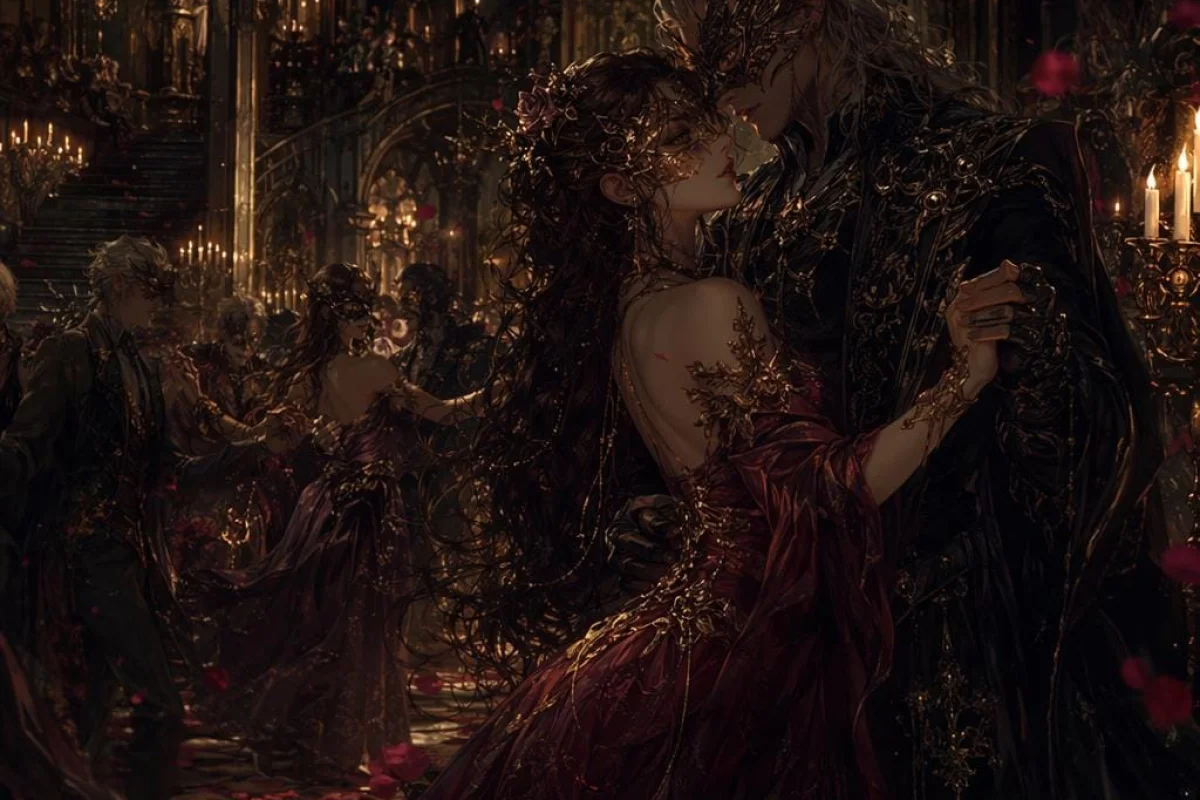
Okay, let me ask you something. What is it about a masquerade ball scene that makes you physically grip your book harder? Because I KNOW you do it. We all do it. The moment a character puts on a mask and walks into a glittering ballroom full of political enemies and romantic tension, our brains just short-circuit in the best possible way.
Here’s the thing — masquerade scenes work so well in romantasy because they combine EVERYTHING we love. You’ve got the enemies-to-lovers tension cranked to eleven because nobody knows who anyone is. You’ve got the slow burn of two people circling each other across a crowded room. And you’ve got the constant threat of discovery — because in fantasy worlds, getting unmasked at the wrong party can literally get you killed.
It’s basically a pressure cooker for romantic tension, and I am HERE for it.
Why This Trope Absolutely Refuses to Die
The masquerade ball has been a staple of romance since, oh, forever. But it THRIVES in fantasy because the stakes are so much higher. In a contemporary romance, the worst that happens at a masked party is an awkward Monday at work. In a dark fae court? You might accidentally pledge your soul to someone. You might start a war. You might fall for the one person your entire kingdom wants dead.
The mask gives characters permission to be honest in ways they can’t be in their regular lives. And honestly? That’s what makes these scenes so emotionally devastating. When the mask comes off, the vulnerability stays. That’s the real magic — not the enchanted ballgown, but the moment two people see each other clearly and choose to stay anyway.
The Best Masquerade Scenes (You Know the Ones)
Look, we HAVE to talk about the Starfall scene in ACOTAR. Sarah J. Maas understood the assignment. Feyre in that painted mask, Rhysand being insufferably beautiful — it’s the kind of scene that lives in your head rent-free for YEARS. The tension between what they’re showing the court and what they’re actually feeling? Chef’s kiss.
And then there’s The Cruel Prince, where Holly Black turns court intrigue into an art form. Every revel scene is basically Jude navigating a minefield while trying not to think about Cardan’s stupid face. The magic systems woven into these social events make every dance a potential trap — and every stolen glance a declaration of war.
These authors get that the masquerade isn’t just set dressing. It’s a narrative device that forces characters into slow-burn proximity while maintaining plausible deniability. And we, the readers, get to scream into our pillows about it.
So next time you crack open a romantasy and see a masquerade ball on the horizon, just accept it — you’re about to lose an entire evening to “just one more chapter.” Don’t fight it. The enemies-to-lovers pipeline demands your full attention.
The Craft Behind the Mask
If you’re a writer, masquerade scenes are gold because they let you do three things simultaneously: advance the plot through social navigation, deepen character through what the mask reveals (paradoxically, people are more honest when they think they’re hidden), and escalate romantic tension through proximity without commitment. The mask is literally plausible deniability in physical form. “I didn’t know it was you” is the fantasy equivalent of “we were on a break” — and it works every time because the READER knows. We always know. And that dramatic irony is delicious.
See Also
Drop your favourite masquerade scene in the comments, besties. I KNOW you have one. Bonus points if it involves a morally grey fae lord and a moment of unmasking that made you physically gasp. 💀
Author

Enjoying this?
Vellichor is free and ad-free. If you enjoy our essays, consider supporting us with a one-time contribution.
Support Vellichor →